If you're in the middle of a renovation, or deep in the planning stage, you're already asking the right questions. Because the best time to make your home naturally cool is not after the walls are up and the roof is on. It's right now, while everything is still in motion and decisions can still be made.
Australia's climate doesn't leave much room for error when it comes to heat. Whether you're in Brisbane dealing with humid summers, Perth facing relentless dry heat, or Melbourne riding out its famous four-seasons-in-a-day, keeping a home comfortable without leaning entirely on air conditioning is both a financial and environmental win. The good news is that a renovation is the perfect opportunity to build cooling strategies directly into the fabric of your home. Here are seven of the best.
Cross ventilation is the practice of positioning openings on opposite sides of your home so that air moves naturally through the space, drawing cooler air in and pushing warm air out. It costs nothing to run, requires no energy, and when it's built into the design properly, it genuinely works.
If you're still in the planning phase, talk to your architect or designer about window and door placement with airflow in mind. Louvres, high-level awning windows, and operable skylights are all excellent tools for channeling a breeze through living areas, bedrooms, and hallways.
For those mid-reno, it's worth reviewing whether any current window or door placements can be adjusted or upgraded to maximise airflow before the fit-out stage begins. Even adding a well-placed vent or louvre panel to an internal wall between rooms can make a meaningful difference.
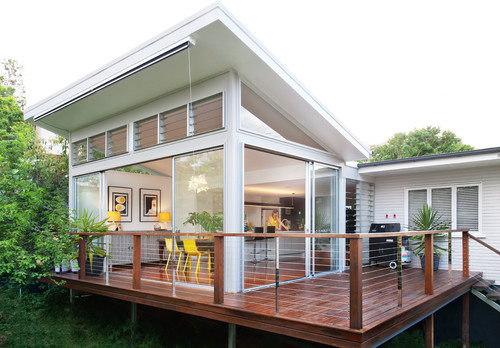
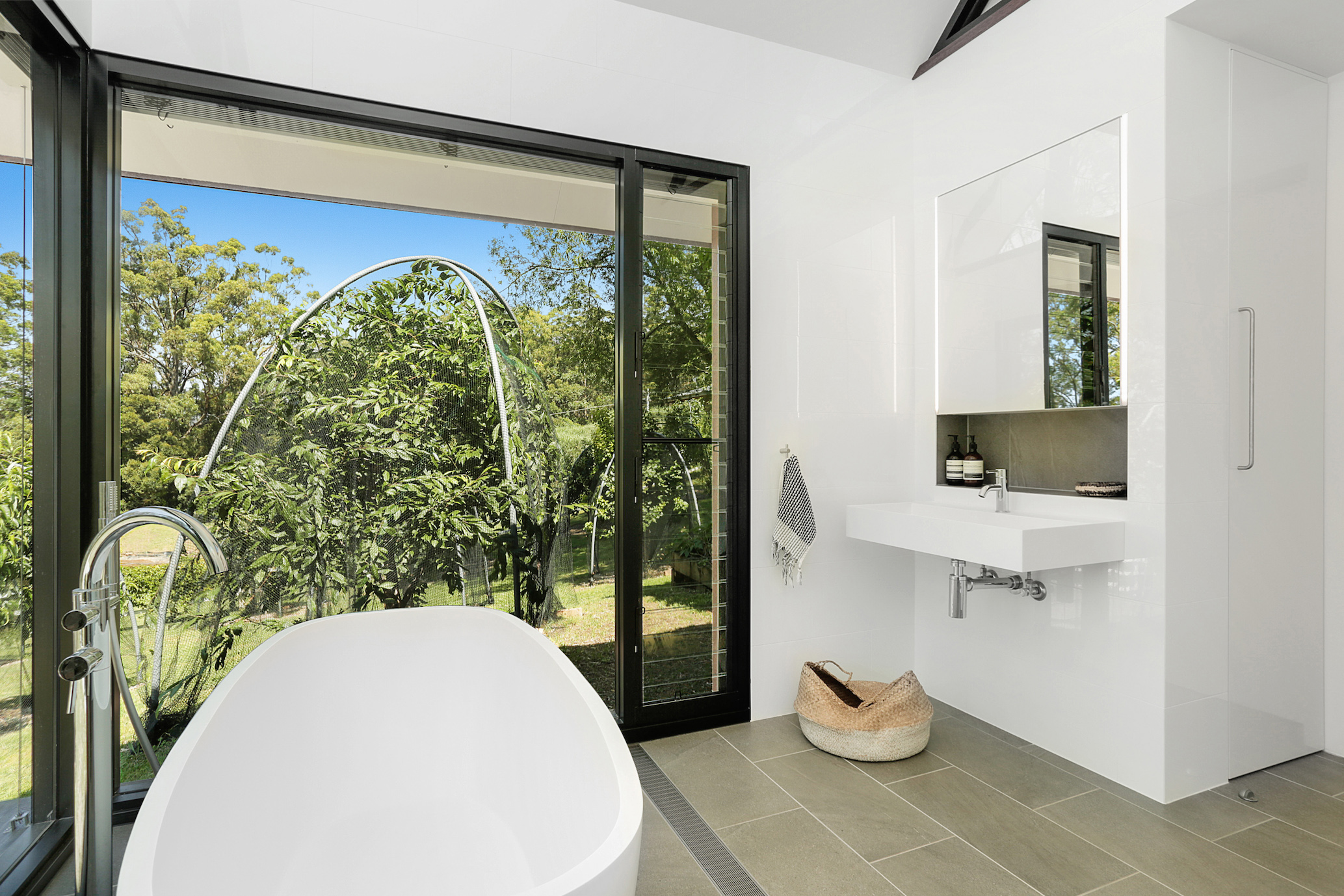
Image: Skyring Architects
Shading your home's exterior is one of the highest-impact things you can do, and a renovation is the ideal time to get it right.
Deciduous trees planted on the north and west sides of a home provide dense shade during summer when the sun is at its most intense, then drop their leaves in winter to allow warming sunlight through. It's passive climate control that improves year on year as the trees mature. Native species like spotted gum, lemon-scented gum, and various acacias are well-suited to Australian conditions and won't demand constant watering once established.
If you're working on your landscaping as part of your renovation, consider integrating a pergola structure, or installing fixed shade sails over west-facing windows, patios, and entertaining areas. External shading stops heat before it reaches the glass, which is far more effective than any internal blind or curtain after the fact.
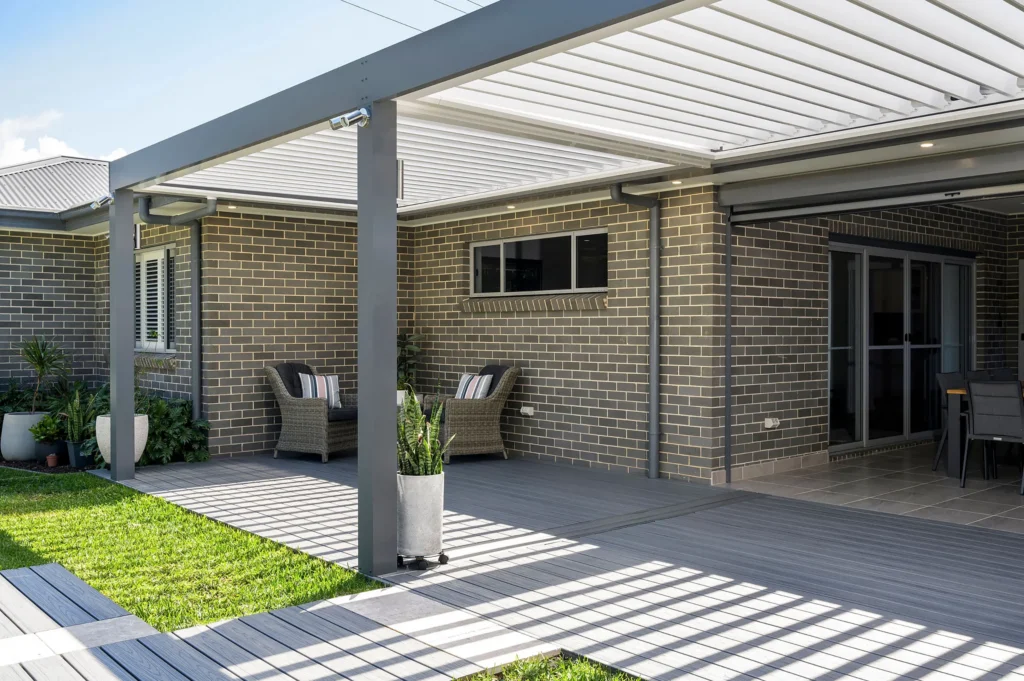
Speaking of glass, windows are one of the biggest sources of heat gain in an Australian home. A standard single-glazed window lets in an enormous amount of radiant heat on a summer afternoon, and internal curtains or blinds can only do so much once that heat has already entered.
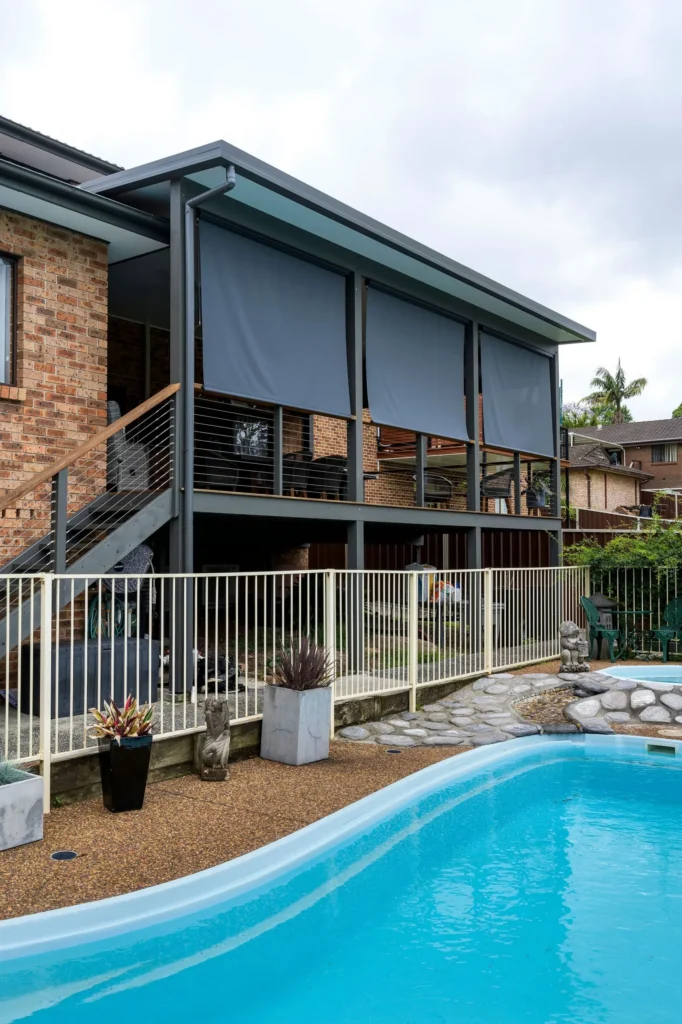
External awnings, roller shutters, or fixed metal louvres are significantly more effective because they intercept sunlight before it reaches the glass. If your renovation includes new windows or an extension, this is the time to specify external shading as part of the build rather than retrofitting it later at greater cost.
For renovators working within an existing footprint, even adding a well-sized fixed awning over a north or west-facing window during the reno phase is a straightforward structural addition that will pay dividends every summer.
If there's one non-negotiable eco-friendly investment for any Australian home renovation, it's ceiling insulation. Heat rises and, in summer, the roof cavity of an uninsulated home can reach temperatures well above 60 degrees Celsius. That heat radiates straight down through the ceiling into your living space.
A renovation that opens up the ceiling or roof space gives you direct access to install insulation batts, which is far cheaper and cleaner than trying to retrofit insulation later. The Australian standard for most climate zones recommends a minimum R-value of R4.0 to R6.0 for ceilings, with higher values suited to hotter regions.
For best results, combine bulk insulation (such as Bradford Gold or Knauf Earthwool batts) with a reflective foil sarking layer beneath the roof cladding. Together, they block both conducted and radiated heat transfer, which is especially important in homes with metal roofing that heats up quickly in direct sun.
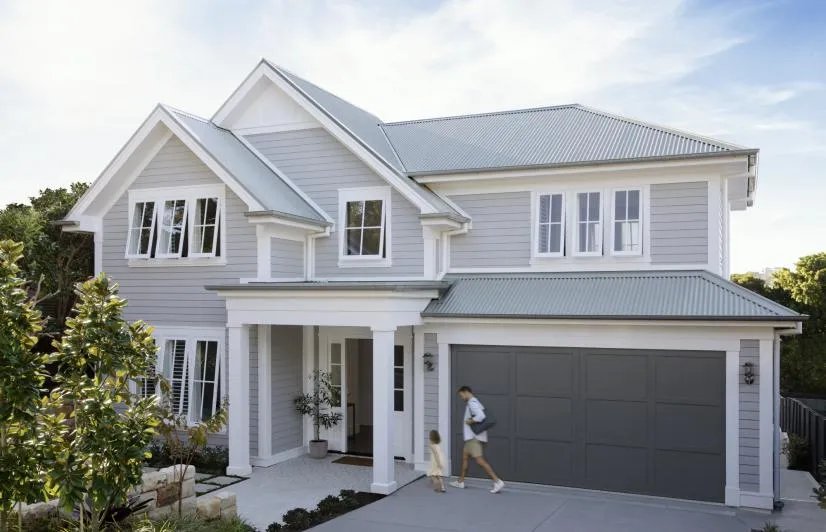
If your renovation includes reroofing or new roof construction, the colour and material of your roofing is worth serious consideration. Dark-coloured roofing can absorb up to 90 per cent of solar radiation and push that heat directly into the roof cavity. Light-coloured or reflective roofing products significantly reduce this heat load from the outset.
Light-coloured Colorbond steel (think Surfmist, Shale Grey, or Classic Cream) is a popular and practical option across Australia. It's durable, low-maintenance, and specifically engineered for Australian conditions. Terracotta or concrete tiles in lighter shades also perform well.
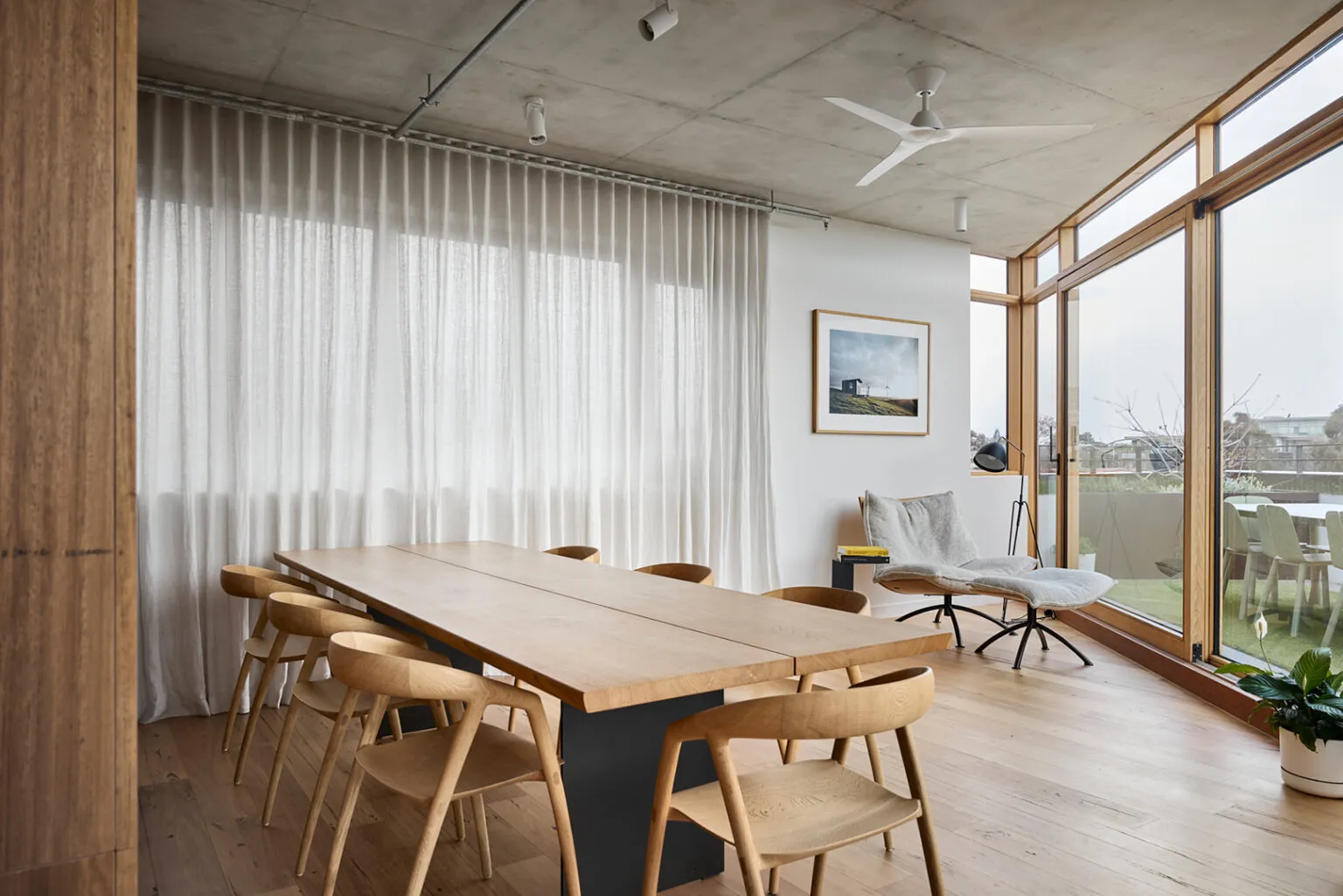
Ceiling fans use a fraction of the energy of reverse-cycle air conditioning and, when used correctly, are remarkably effective at making a space feel comfortable. The key is planning for them during the electrical rough-in stage of your renovation rather than trying to add them after ceilings are plastered and painted.
In summer, ceiling fans should run counter-clockwise (when viewed from below) to push air downward and create a wind-chill effect. This can make a room feel several degrees cooler than it actually is, which in practice means you reach for the air conditioner far less often.
When selecting fans, look for DC motor models, which are significantly more energy efficient than older AC motor designs.
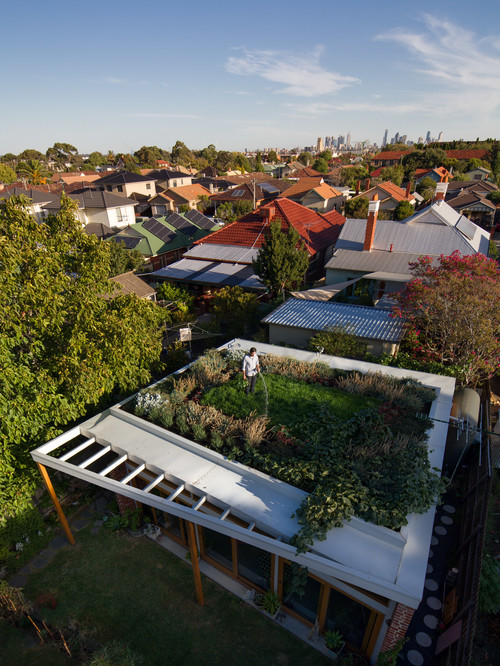
For renovators with a flat or low-pitch roof extension, or those tackling a significant landscaping component, a green roof or living wall is worth exploring. These are no longer niche or experimental features; they're increasingly common in residential renovation projects across Australian cities.
A green roof involves growing a layer of plants directly on the roof structure, typically using lightweight growing medium and drought-tolerant species like succulents, sedums, or native groundcovers. The plant layer absorbs solar radiation rather than allowing it to heat the roof surface, and the growing medium provides additional thermal mass. Roof surface temperatures under a green roof can be dramatically lower than those of a conventional dark roof on the same day.
Living walls on sun-exposed elevations work on a similar principle. A well-established climbing plant or a modular vertical garden system on a west-facing wall creates a buffer layer between the sun and the wall surface, reducing heat transfer into the home significantly.
Both options require structural assessment and appropriate waterproofing, so they need to be planned as part of the renovation scope rather than added as an afterthought. Engage a landscape architect or green roof specialist early in the process if this is something you're keen to pursue.
The decisions made during a renovation have a long tail. Getting the insulation right, positioning windows thoughtfully, choosing a lighter roof colour, and planning for external shading are all changes that compound over time. Every summer, those choices translate into a cooler home, lower energy bills, and less reliance on mechanical cooling.