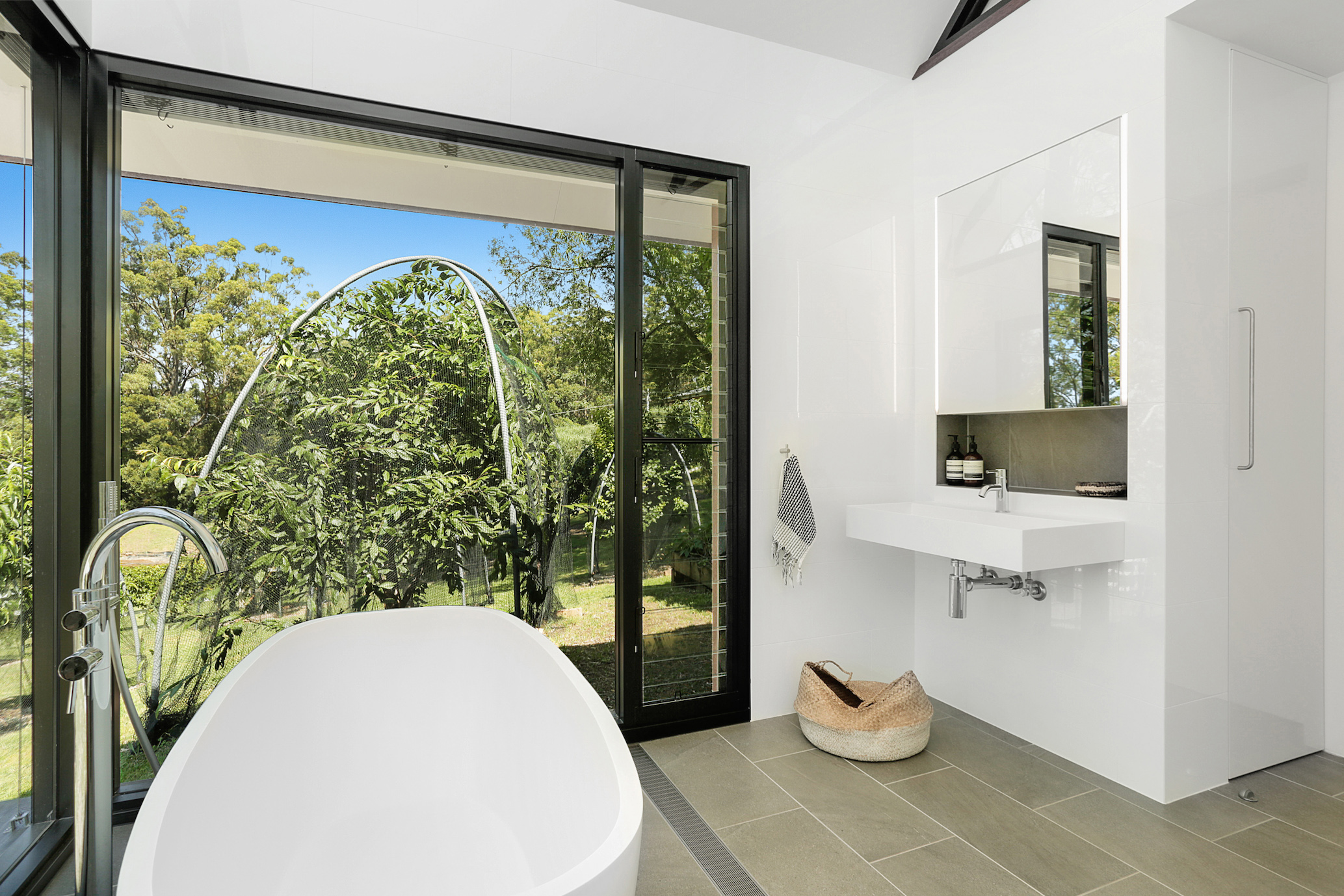
When building or renovating, it can be difficult to separate the choices you genuinely like from the ones that are simply popular at the moment.
There is nothing wrong with incorporating current design trends into a home. The important consideration is where you use them. Some elements can be updated relatively easily in the future, while others, such as flooring, cabinetry and bathrooms, are expensive and disruptive to replace.
If you want your home to age well, it helps to approach these decisions with longevity in mind.
Flooring, cabinetry, benchtops, tiles and other fixed finishes have a significant influence on how a home feels. They are also some of the more expensive elements to replace later.
For these selections, consider materials and finishes that complement the style of the home rather than choosing something purely because it is currently popular.
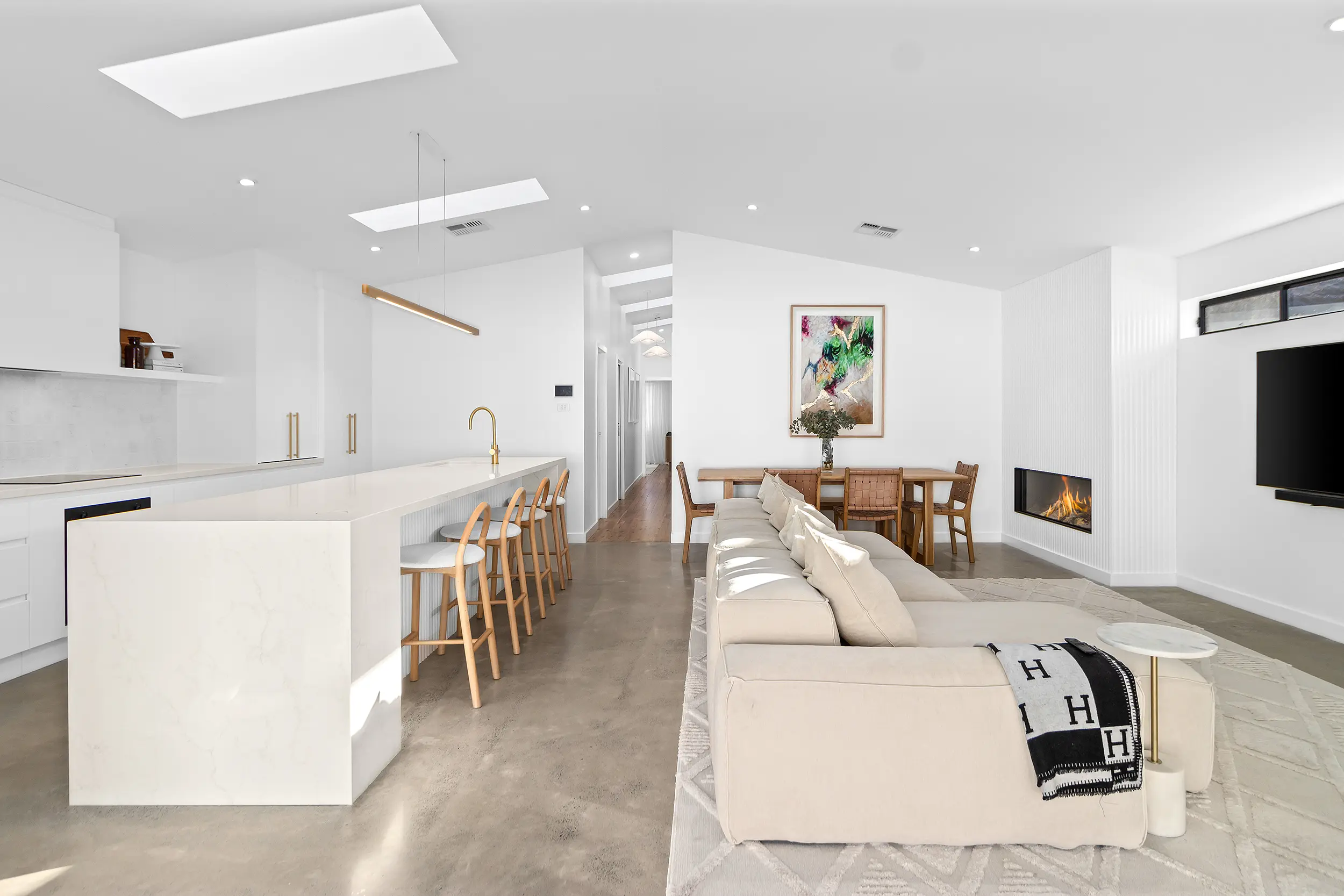
Natural timber, stone, simple cabinetry profiles and understated finishes can provide a strong base without making the home feel plain. Colour, pattern and more distinctive design choices can then be introduced through elements that are easier to update over time.
A design feature does not necessarily become timeless simply because it is traditional, just as something contemporary will not automatically date quickly.
The architecture of your home, its location, proportions and surrounding materials should all influence the details you choose. A particular cabinetry profile may work beautifully in a traditional renovation but feel out of place in a highly contemporary new build.
Rather than asking whether something is ‘on trend’, consider whether it feels appropriate for your home as a whole.
Trends can be a useful source of inspiration, but you do not need to incorporate every current idea into one home.
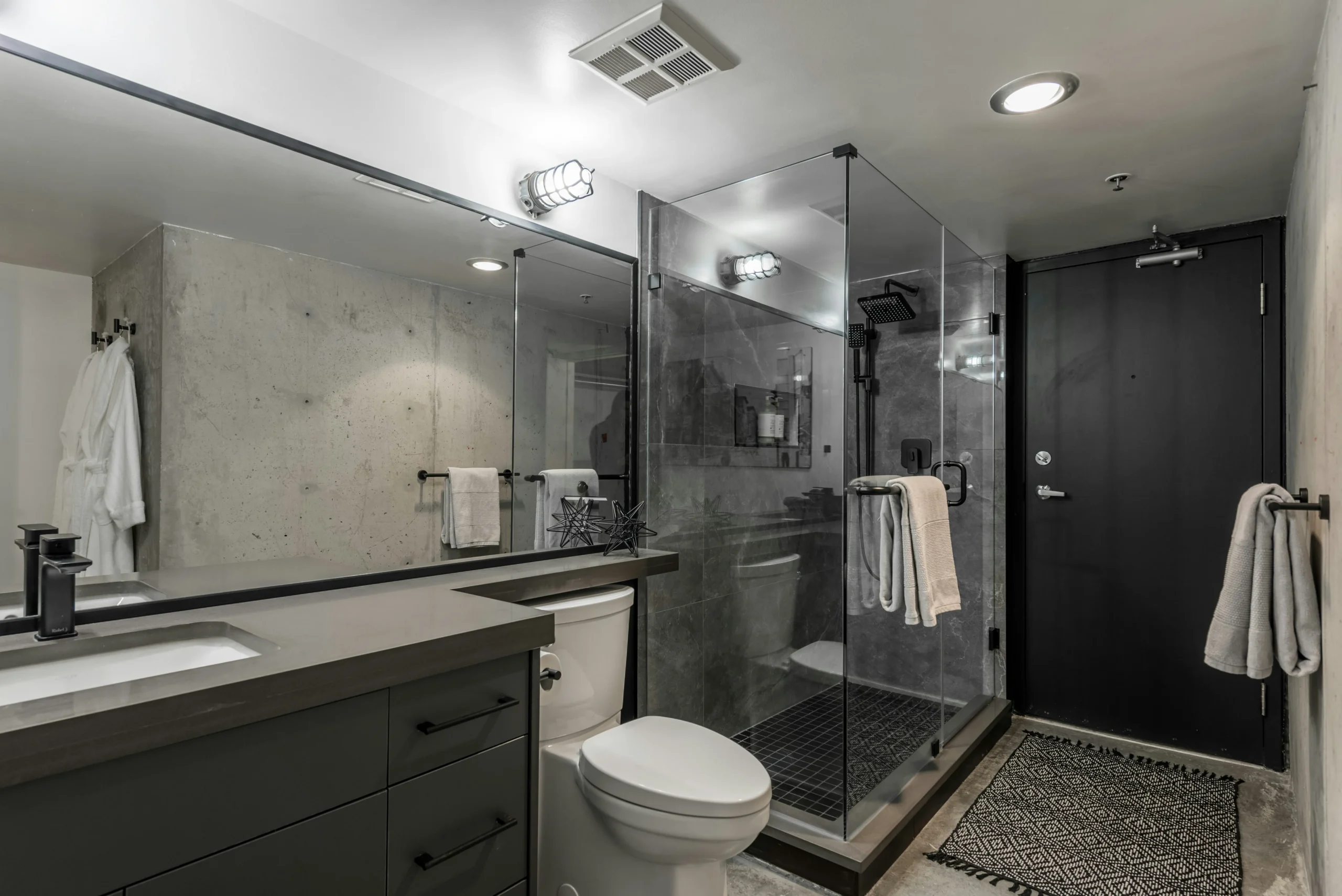
If there is a particular finish, colour or detail you love, think about how prominently it needs to feature. A distinctive tile might work well in a small area, for example, without needing to be repeated across every bathroom.
Being selective allows your home to have personality without tying the entire design to one particular period.
Design inspiration now comes from homes all over the world, but not every idea translates well to Australian conditions.
Orientation, natural light, ventilation, shade and indoor-outdoor connections should be considered alongside the appearance of the home. The right approach can also vary depending on whether you are building in a coastal location, an established suburban area or somewhere with greater exposure to heat and weather.
Choosing materials and design features that suit the local conditions can help the home perform better as well as age more naturally.
One useful way to make design decisions is to consider how difficult each element would be to change in the future.
Permanent elements include flooring, cabinetry, benchtops, tiles and other fixed finishes. These generally warrant the most consideration because replacing them can involve significant work and expense.
Semi-permanent elements include light fittings, hardware and furniture. There is more flexibility to introduce colour, different finishes or current styles here because these elements can usually be changed without major building work.
Easily updated elements include artwork, rugs, cushions, styling and some paint colours. These are good opportunities to introduce more personality or experiment with trends.
This does not mean every permanent selection needs to be neutral. Instead, it helps to be more deliberate about the choices that will be part of the home for many years.
Before committing to a major design choice, consider:
Timeless design is not about removing colour, character or personality from a home. It is about making considered decisions about where those elements are introduced.
By putting more thought into the permanent parts of the home and allowing greater flexibility in the elements that can be changed over time, you can create a home that feels personal now without being overly tied to a particular trend.