Natural light can make a significant difference to how a home looks and feels. However, not every property benefits from large windows or an abundance of sunlight, particularly older homes, terrace houses and properties surrounded by established trees or neighbouring buildings.
Fortunately, improving the brightness of your home doesn't always require major renovations. From choosing the right paint colours to making better use of existing natural light, there are several practical ways to create a lighter, more inviting space.
Here are six ways to brighten a dark home.
Mirrors are an effective way to make better use of the natural light entering a room. When positioned thoughtfully, they can reflect light into darker areas and create a greater sense of space.
Consider placing a large mirror opposite or adjacent to a window to help distribute natural light throughout the room. In narrow hallways or smaller living areas, full-length mirrors can also help create the impression of a more open space.
Mirrored furniture, such as console tables or wardrobe doors, can provide additional reflective surfaces without requiring extra wall space.
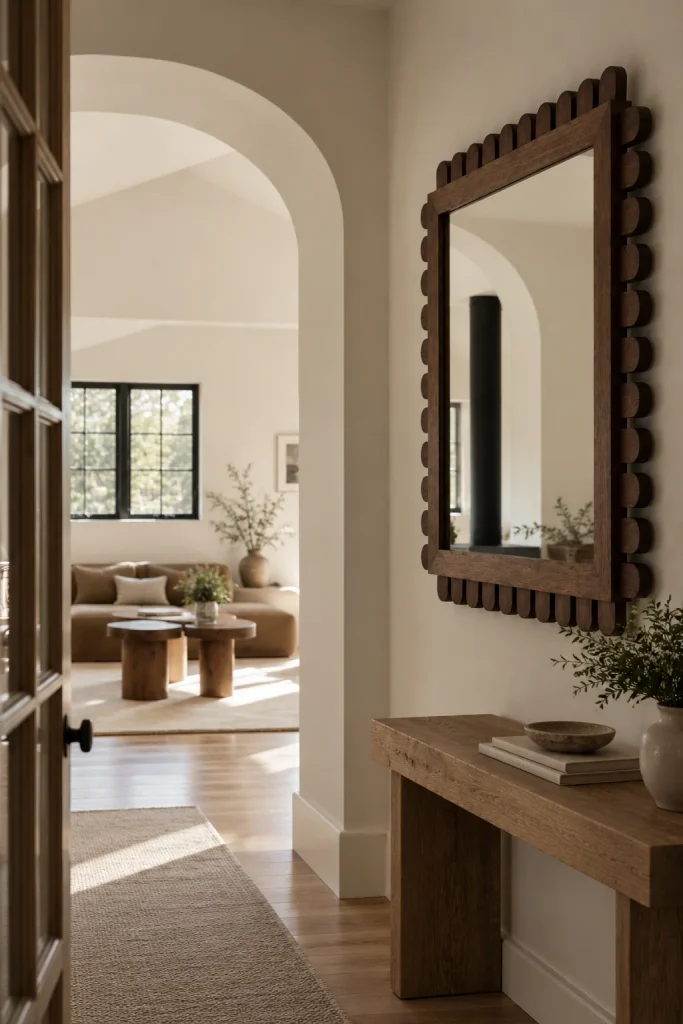
Image: Amier Home
The colour of your walls can influence how bright a room feels. Darker colours tend to absorb more light, while lighter shades reflect more of the available light throughout the space.
Soft whites, warm creams and pale neutrals are particularly effective in rooms with limited natural light. Popular Australian paint colours such as Dulux Vivid White, Taubmans Antique White USA and Haymes Whisper White are worth considering, although the final appearance will depend on the room's orientation and lighting conditions.
Paint finishes also make a difference. Low-sheen and satin finishes generally reflect more light than flat matte finishes, although they may highlight imperfections in the wall surface.
For a more cohesive appearance, consider painting the ceiling in a similar shade to the walls. This can help create a greater sense of height and openness.
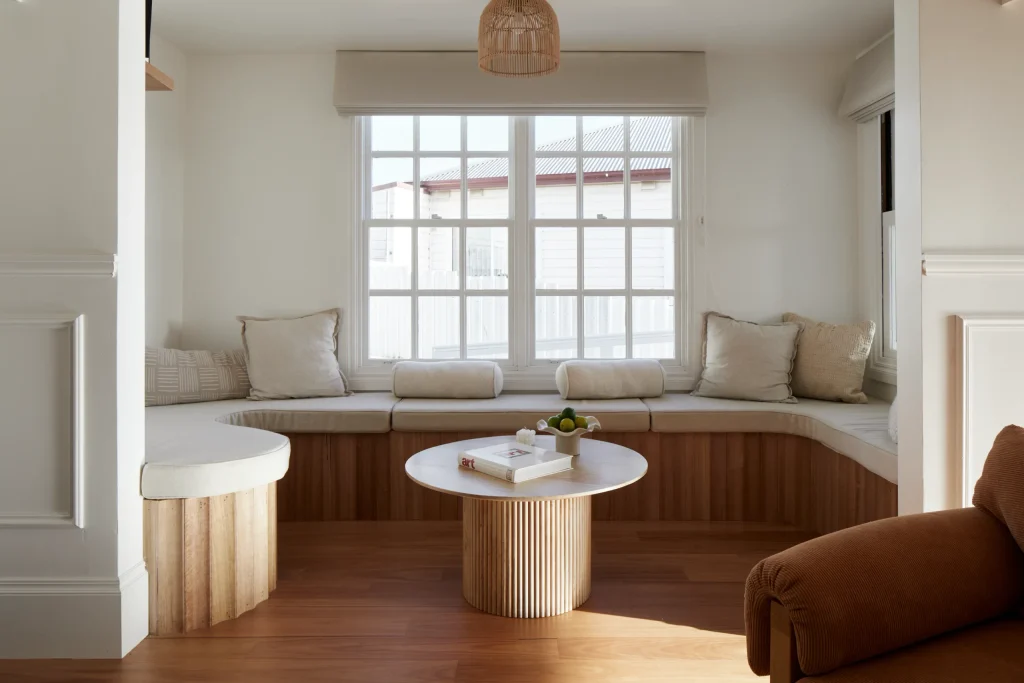
Image: Goodwin Vaughan
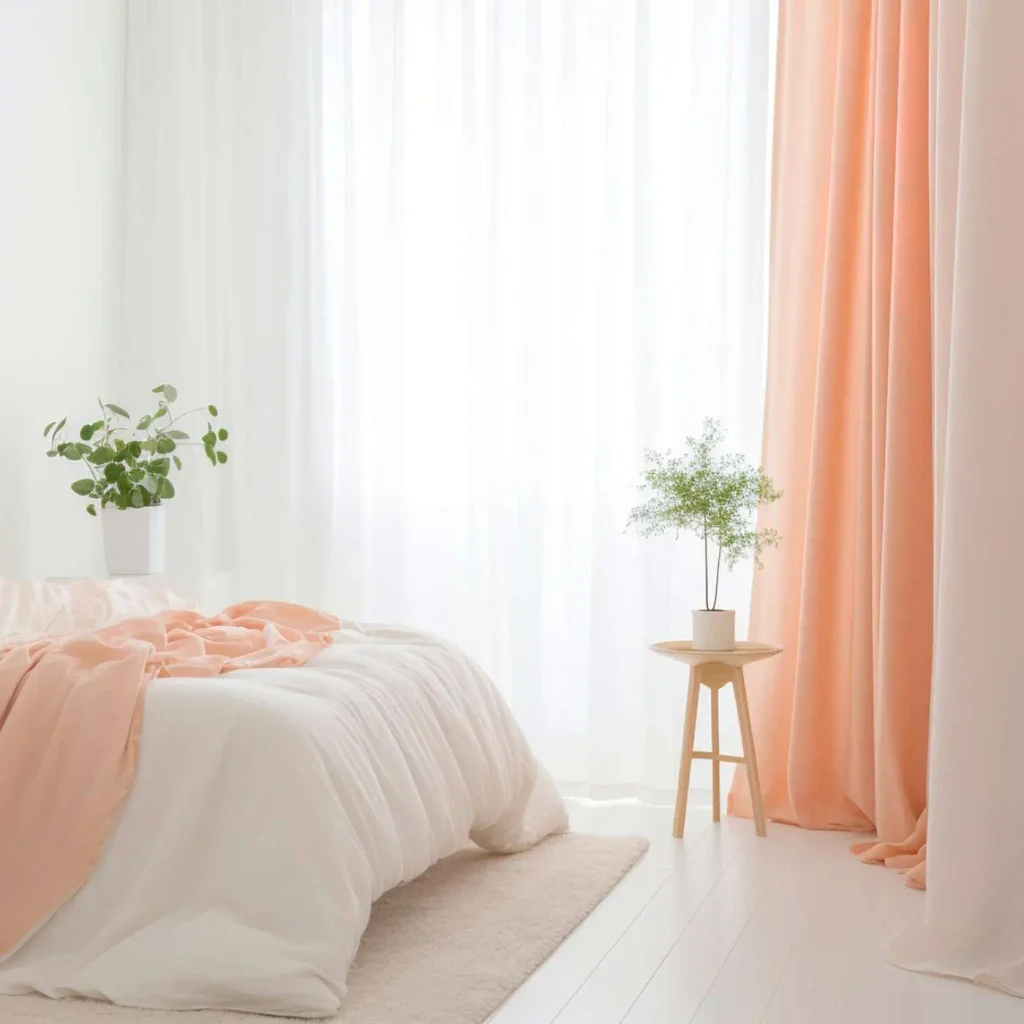
Window furnishings can have a considerable impact on how much natural light enters a room. Heavy curtains and dark fabrics may restrict light, even when partially opened.
Sheer curtains are a practical alternative, allowing natural light to filter through while providing some privacy during the day. Linen-blend fabrics can also introduce softness and texture without making the room feel enclosed.
How curtains are installed is equally important. Positioning the curtain track closer to the ceiling and extending it beyond the window frame allows the fabric to sit clear of the glass when opened, maximising the available light.
For bedrooms and other spaces requiring greater privacy or light control, sheer curtains can be paired with blockout curtains or blinds.
When natural light is limited, a considered lighting arrangement can make a room more functional and comfortable.
Rather than relying on a single ceiling light, consider incorporating several types of lighting to illuminate different areas of the room.
Combining these lighting types helps reduce dark corners and creates a more balanced level of illumination throughout the space.
The colour temperature of your lighting is also worth considering. Warm white lighting, typically around 2700K to 3000K, can create a comfortable atmosphere in living areas and bedrooms. Installing dimmers also provides greater flexibility to adjust lighting levels throughout the day.
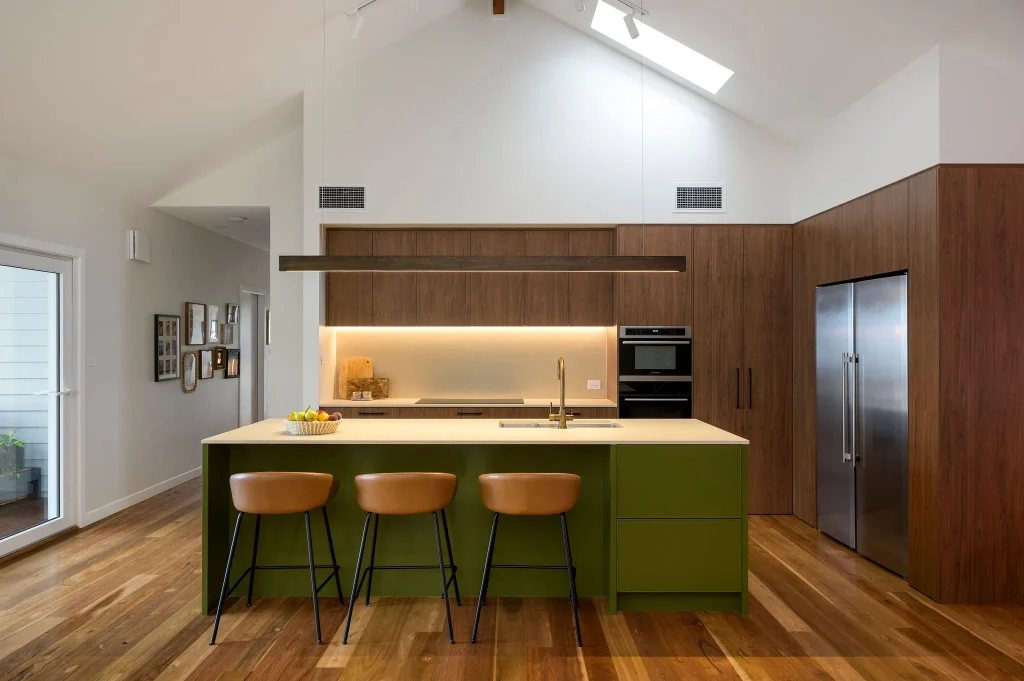
Image: Bull Building
Furniture and soft furnishings can influence how spacious and bright a room appears, particularly when natural light is limited.
Large pieces of dark furniture can make smaller rooms feel visually heavier. Choosing lighter upholstery, natural materials and furniture with more refined proportions can help create a greater sense of openness.
Neutral sofas, light-coloured rugs and timber furniture in natural finishes work particularly well in darker spaces. Australian timbers such as Tasmanian oak and spotted gum can introduce warmth without relying on darker finishes.
However, creating a brighter interior doesn't mean removing all dark colours. Contrasting furniture, artwork and accessories can add depth and interest when balanced with lighter surrounding finishes.
If replacing furniture isn't practical, smaller updates such as changing cushion covers, throws or lampshades can still make a noticeable difference.
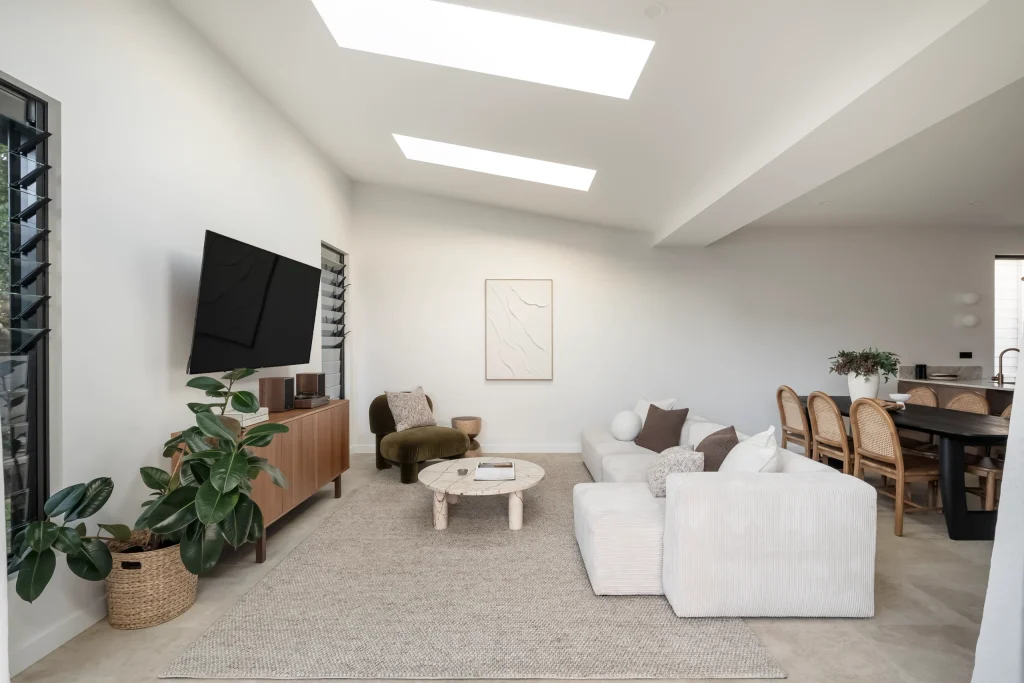
Image: Alchemy Built
While indoor plants won't increase the amount of natural light entering a room, they can help create a fresher and more inviting interior.
Greenery introduces colour, texture and contrast, which can be particularly effective in spaces dominated by neutral finishes.
For rooms with limited sunlight, consider plants that tolerate lower-light conditions, such as peace lilies, pothos, Zanzibar gems and cast iron plants.
It's important to remember that even low-light plants require some natural or suitable artificial light to remain healthy. Positioning them near a window or in an area with indirect sunlight will generally provide better growing conditions.
Choosing lighter-coloured pots and keeping arrangements relatively simple can also help maintain an uncluttered appearance.
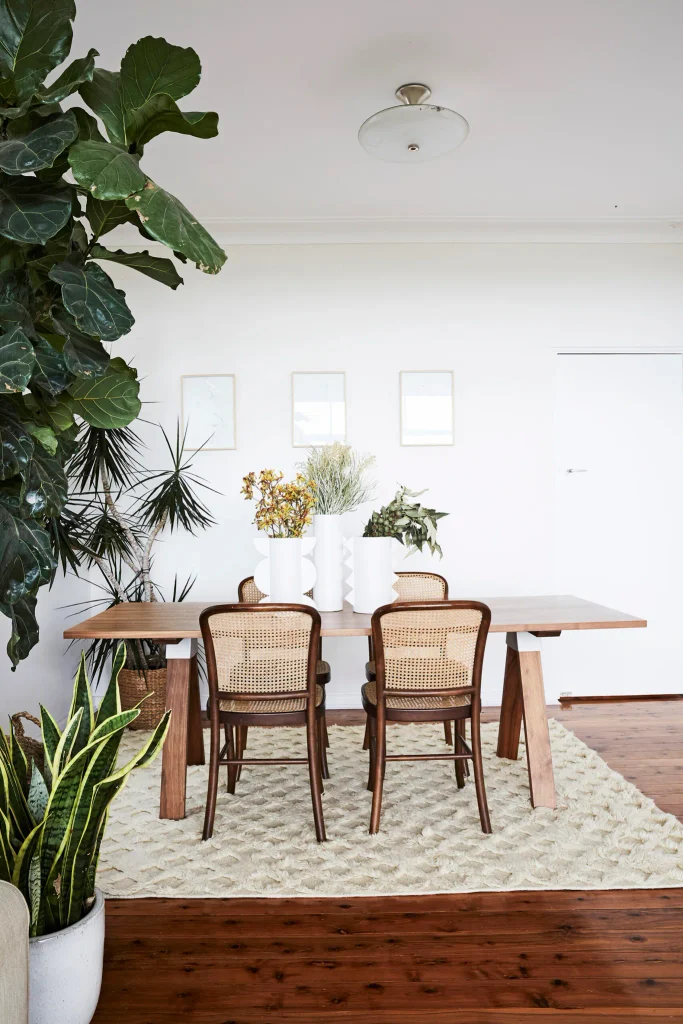
Image: Homes to Love
Improving the brightness of your home doesn't necessarily require extensive renovations or a significant budget. Often, a combination of thoughtful furniture placement, lighter finishes and well-planned lighting can make a noticeable difference.
Start by making better use of the natural light already available, whether that's repositioning furniture, updating window furnishings or introducing reflective surfaces.
For homes with particularly limited natural light, more substantial changes to windows, internal layouts or lighting design may also be worth exploring as part of a future renovation.
By considering how light interacts with the different elements of your home, you can create a space that feels more open, comfortable and enjoyable to live in.