Planning a kitchen renovation is exciting, but it can also feel overwhelming once you start looking at all the benchtop options available. With so many materials on the market, it's easy to get lost comparing price points, durability ratings, and finish styles without really knowing what suits your household best.
The good news is that choosing the right benchtop doesn’t have to be complicated. It comes down to understanding how you cook, how much maintenance you are willing to do, and what kind of look you want to live with long-term. This guide walks you through seven of the most popular benchtop materials available, with a clear breakdown of what each one offers.
Quartz is consistently one of the most popular benchtop choices in Australian kitchens, and it is easy to see why. Made from roughly 90 to 95 per cent crushed natural quartz bound together with resins and pigments, it offers the beauty of natural stone without the fuss that comes with it.
Because it is non-porous, quartz does not need sealing and is highly resistant to stains, bacteria, and everyday wear and tear. It comes in a huge range of colours and patterns, including options that closely mimic the look of marble or granite. Whether your kitchen is contemporary or classic, there is a quartz option to match.
Pros: Non-porous, no sealing required, scratch and stain resistant, wide range of colours and finishes, consistent appearance.
Cons: Can be damaged by prolonged direct heat, UV exposure may cause discolouration over time, higher price point than some alternatives.
Best for: Busy family kitchens, homeowners who want low maintenance with a high-end finish.
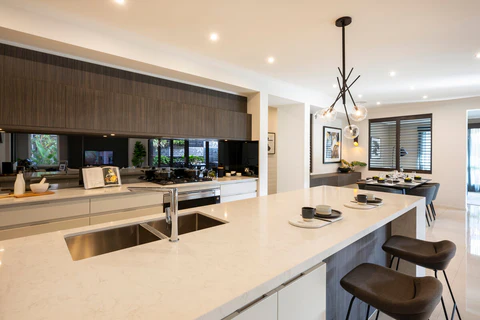
Granite has been a staple in Australian kitchens for decades, and it continues to hold its own against newer engineered alternatives. As a natural stone, every slab is unique, which means your benchtop will be one of a kind. You will find everything from deep blacks and speckled greys to warm earthy tones and softer whites with dramatic movement.
Granite is incredibly tough. It handles heat well, resists scratching, and holds up to the kind of daily use that comes with a well-loved kitchen. The main consideration is that it is a porous material, so it requires periodic sealing to prevent stains from soaking in.
Pros: Naturally heat resistant, highly durable, unique appearance, adds value to your home.
Cons: Requires sealing every one to two years, heavier than engineered alternatives, limited colour consistency across slabs.
Best for: Homeowners who love natural materials and want a benchtop with character and longevity.
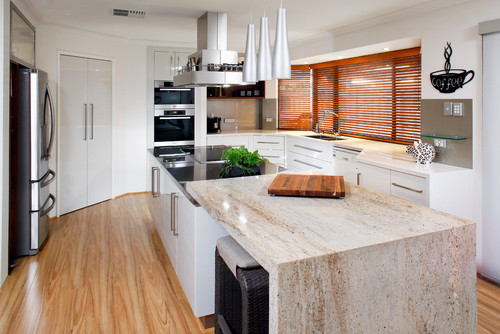
There is no denying that marble is one of the most beautiful benchtop materials available. Its soft veining, cool surface, and timeless elegance make it a favourite in high-end kitchen renovations. If you want your kitchen to feel like something out of a design magazine, marble delivers that effortlessly.
That said, marble is a softer, more porous stone than granite or quartzite, which means it is more susceptible to etching from acidic foods and liquids like lemon juice, wine, and vinegar. It also requires regular sealing and careful maintenance. For homeowners who cook heavily or have young children, this is worth factoring in before committing.
Pros: Unmatched aesthetic appeal, naturally cool surface ideal for pastry and baking, unique veining in every slab.
Cons: Prone to etching and staining, requires regular sealing and careful maintenance, can be costly.
Best for: Homeowners who prioritise aesthetics and are prepared to care for their benchtop properly.
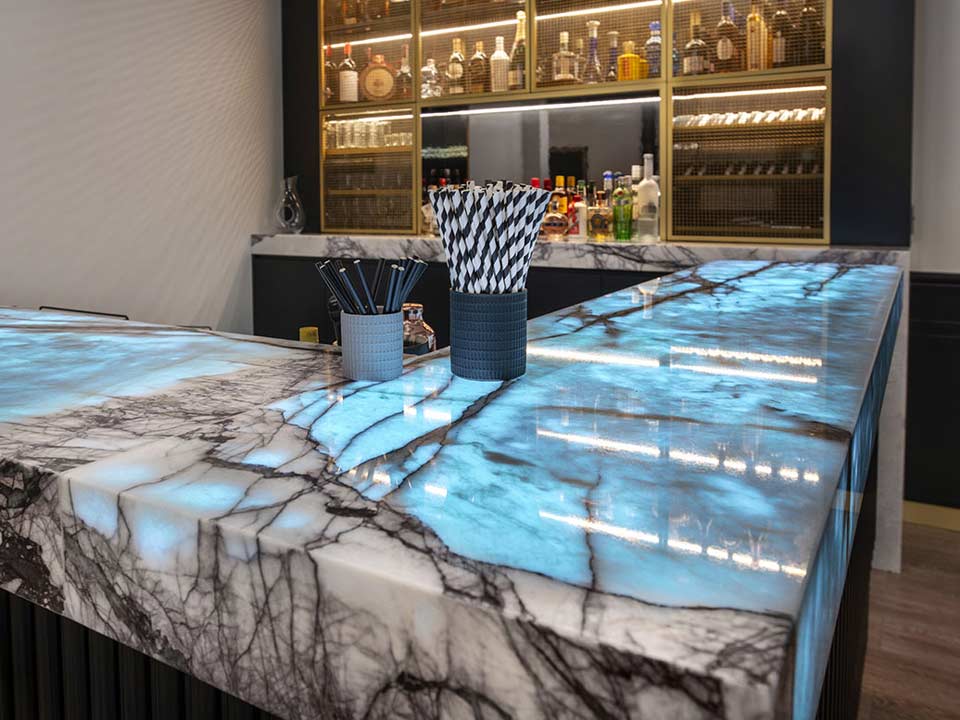
Quartzite is often confused with quartz, but the two are very different. Quartzite is a completely natural stone formed when sandstone is subjected to intense heat and pressure over time. The result is a dense, durable material that has a similar aesthetic to marble but with significantly better performance.
It is harder than granite and more resistant to etching than marble, making it a compelling choice for homeowners who want the look of natural stone without as many compromises. Like other natural stones, it does require annual sealing, but its resilience makes that small effort well worthwhile.
Pros: Extremely hard and durable, more stain-resistant than marble, striking natural appearance, heat resistant.
Cons: Requires annual sealing, limited colour options compared to engineered stone, can be difficult to source in all areas.
Best for: Homeowners who want natural stone performance and aesthetics with fewer maintenance concerns than marble.
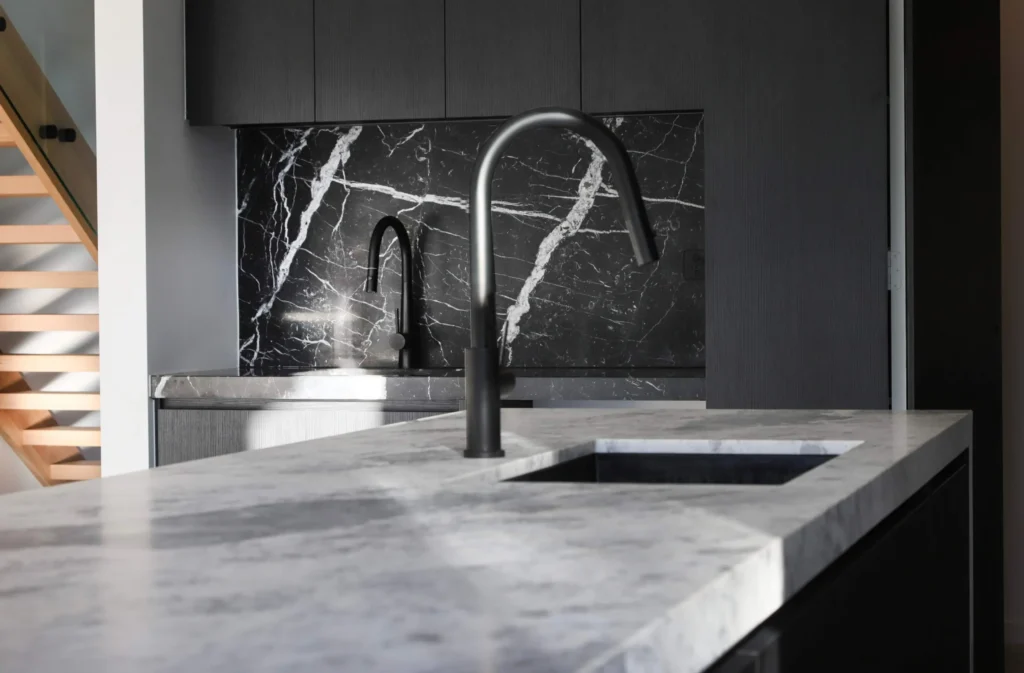
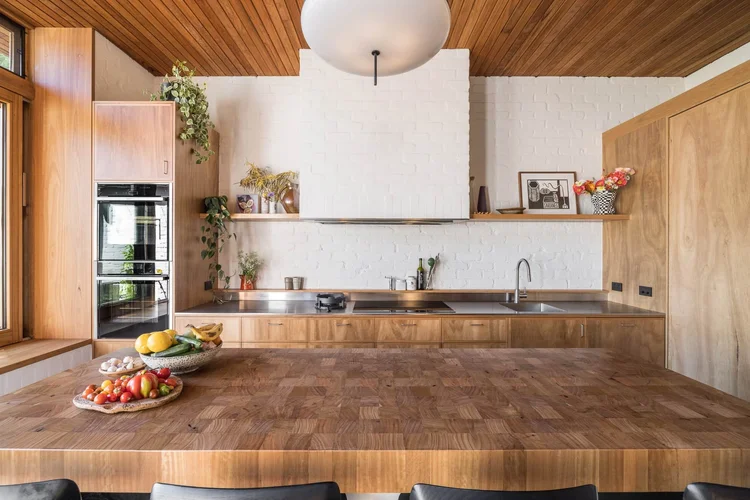
Timber benchtops bring a warmth and organic character to the kitchen that no other material quite replicates. Butcher block, in particular, has a long history in Australian kitchens, especially as a feature surface for islands or prep zones. The natural grain and texture of timber adds a layer of cosiness that suits everything from farmhouse-style kitchens to modern Scandi-inspired designs.
The trade-off is maintenance. Timber benchtops need to be regularly oiled to stay in good condition, and they can warp or crack if exposed to excess moisture. They are also more susceptible to scratching and heat damage than stone options. Used in the right way, though, a well-maintained timber benchtop can last for many years and actually improves in character with age.
Pros: Warm, natural aesthetic, can be sanded and refinished to remove damage, great for food prep zones.
Cons: Requires regular oiling and maintenance, susceptible to water damage, not ideal near sinks or high-moisture areas.
Best for: Kitchen islands, secondary prep areas, or homeowners who love a warm, natural aesthetic and enjoy a bit of hands-on upkeep.
Solid surface benchtops, often referred to by the brand name Corian, are made from acrylic or polyester resins combined with natural minerals. They have been popular in for decades and continue to be a strong choice for homeowners who want a seamless, sleek look without the price tag of premium stone.
One of the biggest advantages of a solid surface is that it can be moulded into virtually any shape, including integrated sinks and custom edge profiles. Scratches and minor damage can often be buffed out with a light sanding, which gives it excellent longevity. It’s also non-porous, so no sealing is required.
Pros: Non-porous and hygienic, seamless integration with sinks, repairable, available in a wide range of colours and finishes.
Cons: Less heat resistant than stone, can scratch more easily, may feel less premium than natural stone to the touch.
Best for: Homeowners who want a clean, modern aesthetic with practical everyday performance and good value for money.
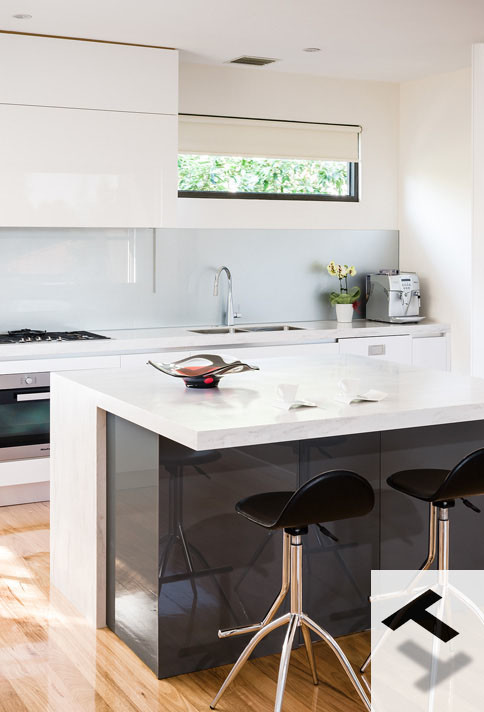
Laminate has come a long way from the dated finishes of decades past. Today's laminate benchtops convincingly mimic the look of natural stone, timber, and even concrete, at a fraction of the cost. For homeowners working within a tighter renovation budget, or for those who simply want a fresh, practical update without spending big, laminate is absolutely worth considering.
Modern laminate is durable, easy to clean, and available in an enormous range of colours and textures. It is not indestructible, direct cutting will scratch it and prolonged heat exposure can cause damage, but with normal everyday care, a quality laminate benchtop can last for many years and look fantastic doing it.
Pros: Budget-friendly, wide range of designs and colours, easy to clean, lightweight.
Cons: Not heat resistant, can be scratched by knives, edges and joins can lift over time if exposed to moisture.
Best for: Budget-conscious renovations, rental properties, or homeowners who want an easy, low-cost refresh.
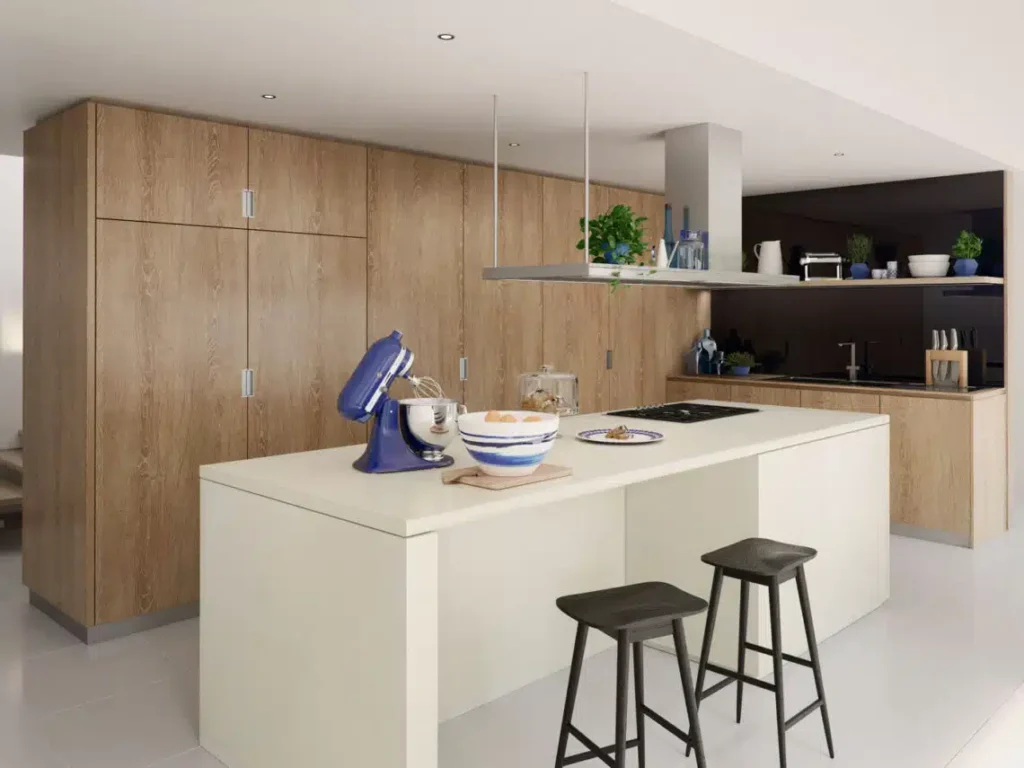
With so many quality options available, there is no single right answer when it comes to benchtop materials. The best choice is the one that suits your lifestyle, budget, and design vision. A young family with a busy kitchen might gravitate towards quartz for its durability and zero-maintenance surface. A homeowner renovating a heritage home might fall in love with marble or granite for the character they bring. And someone completing a tidy refresh on a budget will find that today's laminate options are genuinely impressive.
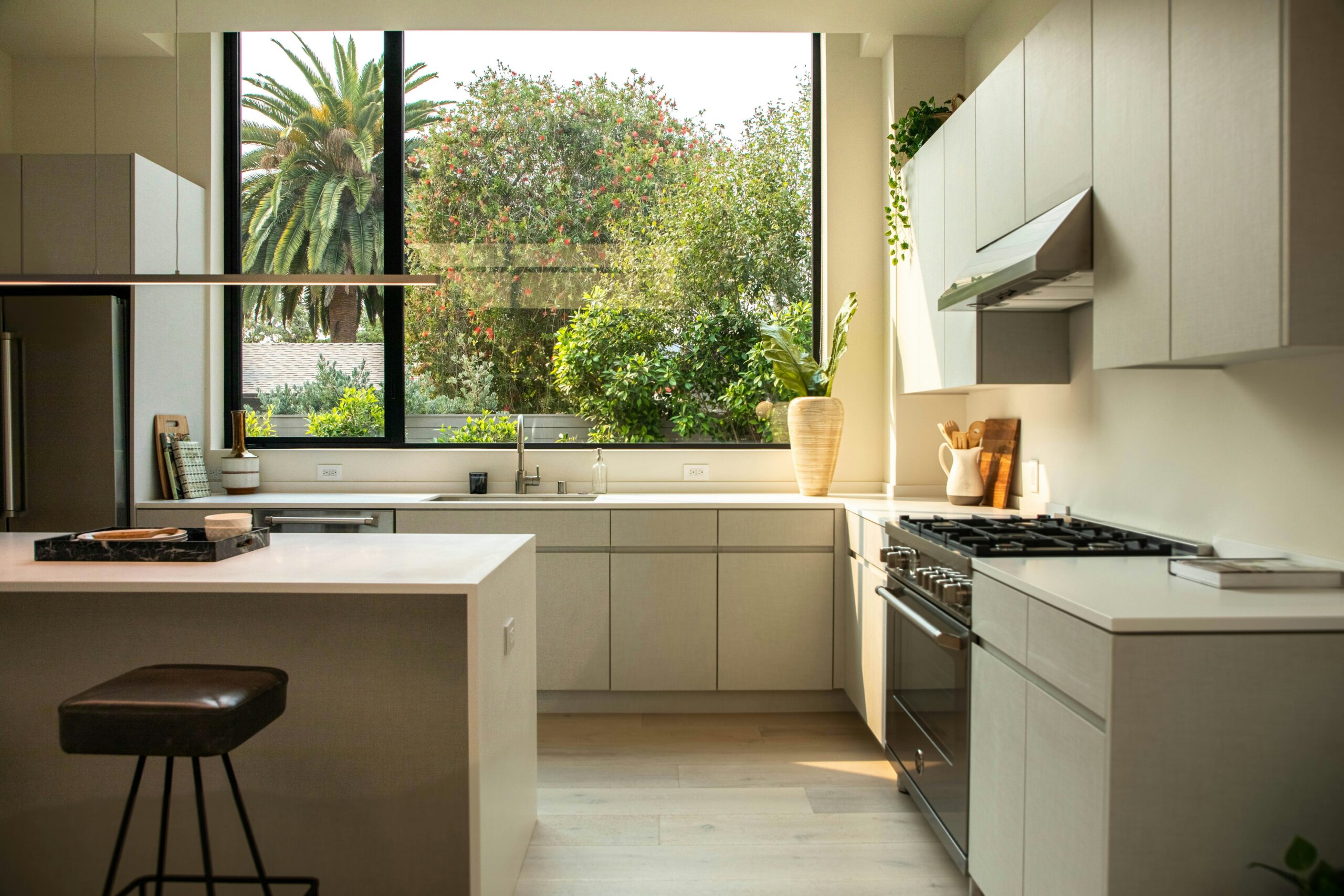
Once you have landed on your benchtop material, do not forget that your cabinetry plays an equally important role in how the finished kitchen looks and feels. It’s worth thinking about both together, since the right cabinet colour can make even a modest benchtop look genuinely luxurious when the two are chosen with each other in mind.
A kitchen renovation is a big investment, so take the time to visit a stone yard or kitchen showroom, get samples home to see how materials look in your lighting, and talk to a professional about what will work best in your specific space. The right benchtop will not just look great on day one, it will serve your household well for many years to come.
Feature image courtesy of Sanders Construction Projects, Cullburra luxury home builders