Every home has at least one. That spot where a standard door just doesn't quite work.
Maybe it's a bathroom that opens into a hallway, a laundry tucked behind the kitchen, or a bedroom where the door swings straight into the wardrobe. Awkward spaces are a reality in plenty of Australian homes, and the standard hinged door isn't always the right answer.
The good news is that there are some genuinely clever door options out there that can completely transform how a tricky space feels and functions. Whether you're in the middle of a renovation or just starting to plan one, here's a look at five door types that handle awkward spaces beautifully.
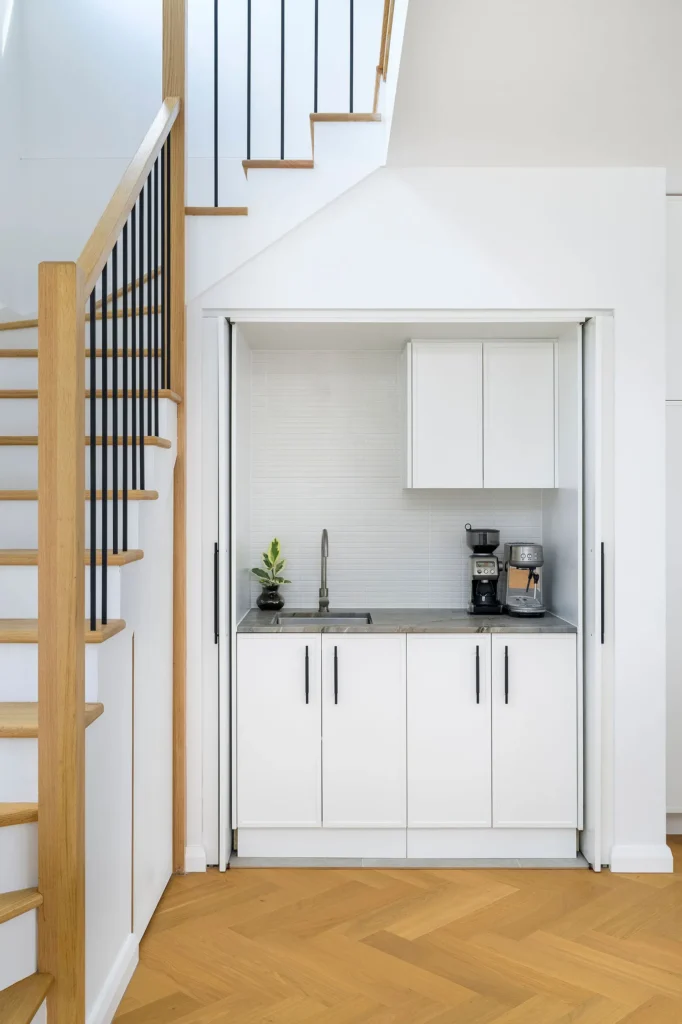
If there's one door type that renovation enthusiasts consistently rave about, it's the pocket door. These slide directly into a cavity built within the wall, meaning when the door is open, it disappears completely. No swing arc, no door stacking against the wall, just clean, unobstructed space.
Pocket doors are particularly well suited to:
They do require some planning during the build or renovation stage since the wall cavity needs to be factored in early. But for homes where space is genuinely tight, the investment is absolutely worth it.
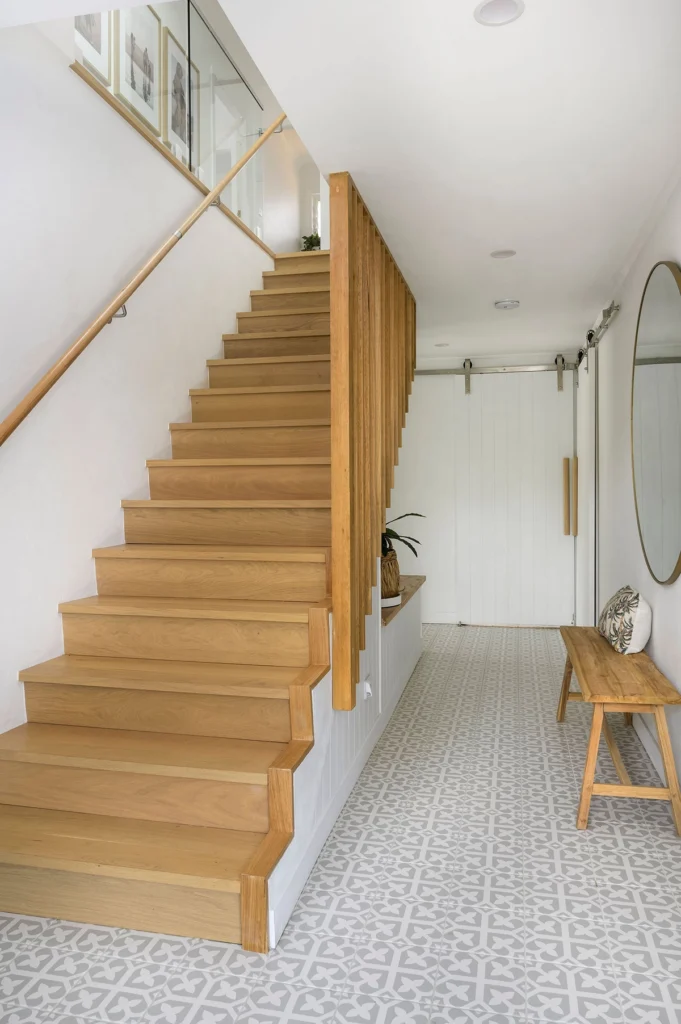
Barn doors have had a serious moment in Australian interior design over the past several years, and for good reason. They mount on a track above the door frame and slide along the wall rather than swinging into the room, which makes them a practical and stylish solution for awkward spots.
Unlike pocket doors, barn doors don't require any wall modification, which makes them a popular choice for renovations where opening up walls isn't possible or practical.
They work particularly well in:
One thing worth keeping in mind is that barn doors don't seal as tightly as other door types, so they're better suited to spaces where full sound or light blocking isn't a priority.
Bi-fold doors fold back on themselves in two or more panels, which means they only need a fraction of the clearance that a standard hinged door requires. They're one of the most practical solutions for spaces where a full swing simply isn't possible.
Bi-fold doors are commonly used for:
For indoor/outdoor use, bi-fold doors are especially popular because they stack neatly to one side, creating a wide, unobstructed opening that connects the interior of the home to the outdoor area. Given the Australian lifestyle and climate, this is one of the most practical upgrades a homeowner can make during a renovation.
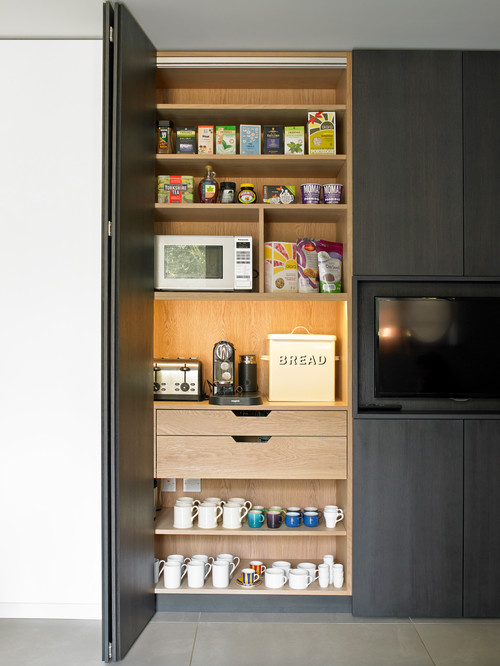
Cavity sliding doors work on a similar principle to pocket doors but are often used on a larger scale as room dividers between living spaces. They slide back into the wall cavity on one or both sides, keeping the opening completely clear when not in use.
They're a smart solution for homeowners who want the flexibility to open up or close off spaces depending on the occasion, without permanently committing to a fully open-plan layout.
Common uses include:
Cavity sliders work especially well in modern home renovations where flexibility and flow are a priority. They also suit homes where open-plan living is the goal but some separation is still useful for noise or privacy.
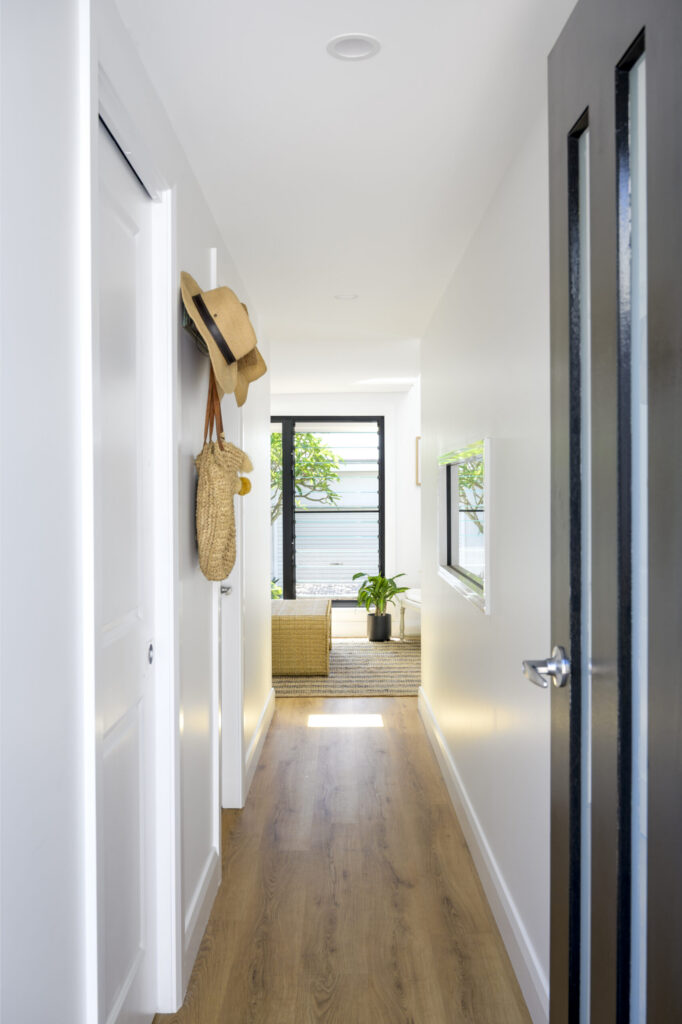
Renovation builder Newcastle, Verge Construction Co
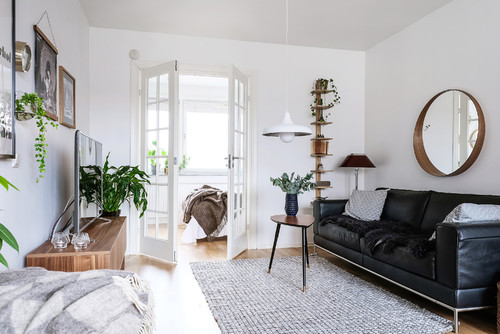
French doors are often associated with elegance and style, but they're also a genuinely practical solution for awkward spaces when hung to open outward rather than inward. Swinging outward means the interior floor space stays completely free, which is a simple but effective way to solve a tight room layout.
French doors work particularly well in:
The glass panels in French doors also do double duty by allowing natural light to pass between rooms, which helps smaller spaces feel larger and more connected to the rest of the home.
The right door for an awkward space depends on a few key factors: how much wall space is available, whether the wall can be modified, how much privacy or sound insulation is needed, and of course, the overall style of the home.
A good builder or designer will always look at door placement early in the planning process, because the wrong choice can create ongoing frustration long after the renovation is finished. The right choice, on the other hand, can make a space feel like it was always designed to work exactly that way.
If you're planning a renovation and working through decisions like these, it's worth taking the time to get the details right before any work begins. Small choices like door type and placement have a bigger impact on how a home feels day to day than most people realise.
Have a tricky space in your home that needs a smarter solution? The right door can make all the difference.