The way Australians approach their homes is shifting. After years of fast-moving trends and picture-perfect spaces, 2026 is bringing something more considered. It's about creating interiors that feel personal, grounded and built to last. Here's what's shaping the year ahead in Australian interior design.
Interiors in 2026 are shifting towards spaces that hold meaning, encourage comfort and support moments of restoration. In a world that often feels hurried, slow living offers an invitation to pause.
This isn't about abandoning modern conveniences. It's about creating homes where you can genuinely rest, think and connect. That might mean a reading nook with a sculptural chair, a dining table made from reclaimed timber or simply rooms that aren't overstuffed with things you don't need or love.
The focus is on quality over quantity, on pieces that serve a purpose and bring joy. When furniture is designed to last, you form a relationship with it. It becomes part of your story and a backdrop to your everyday life.
Bringing nature indoors isn't new, but in 2026 it's becoming more intentional and integrated. Rather than simply placing a few pot plants on a shelf, Australian homeowners are embracing biophilic design as a core principle.
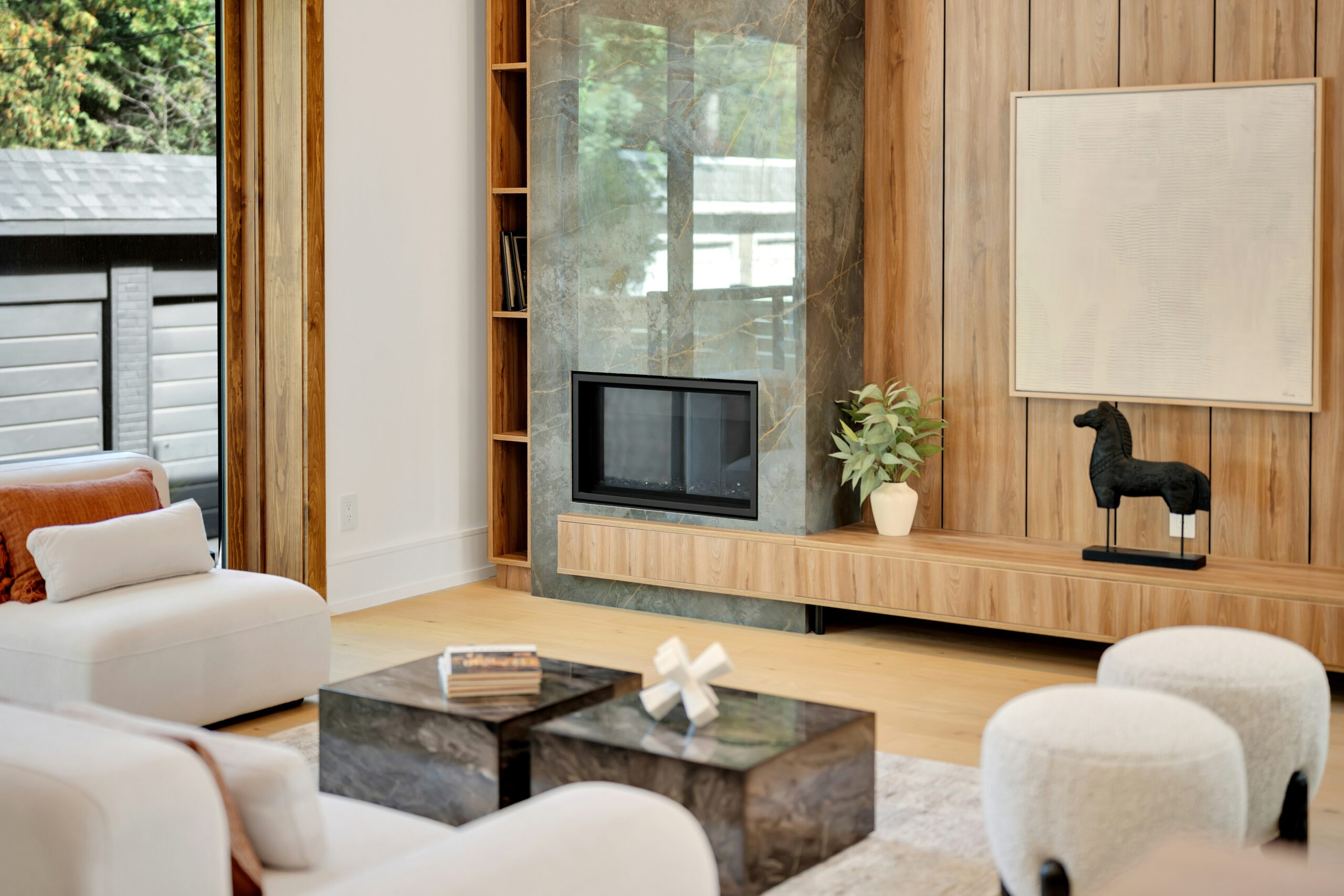
Natural timber, stone textures and indoor gardens are appearing throughout homes. Earthy tones like ochre, clay and moss green are dominating walls and furniture, creating warm spaces that promote mental clarity and relaxation. Large windows, skylights and living green walls are softening the boundaries between inside and outside.
This shift reflects a growing desire to reconnect with the natural environment, particularly in urban areas where green space is limited. The result is homes that feel calming, restorative and genuinely connected to the Australian landscape.
Designers are embracing timber in 2026 as an expressive medium that brings grounding energy into the home. From rich walnut and softer natural oak to reclaimed furniture with a story, the focus is on tactility and warmth.
Timber has a presence. When used well, it brings a quiet honesty to a home. Australian species like blackbutt, spotted gum and Tasmanian oak are particularly valued for their character and connection to place. Reclaimed timber adds history and reduces environmental impact, appealing to homeowners who want sustainability without sacrificing style.
Angular, rigid furniture is making way for softer, more flowing forms. Spherical sofas, arched doorways, curved countertops and pill-shaped mirrors are becoming popular choices across Australian homes.
This trend towards organic geometry creates a sense of calm and comfort. Flowing shapes feel more welcoming and intimate than sharp corners and straight lines, making spaces perfect for lounging, entertaining or simply unwinding after a long day.
Oversized, voluptuous seating is also dominating living rooms. Large sofas and sectionals turn into sculptural elements within a room while satisfying a craving for total, unadulterated comfort. Many feature clever modular constructions that fit through doorways and can be rearranged as needs change.
Indigo is emerging as a signature colour for 2026. Deep, calming and atmospheric, the hue strikes a balance between serenity and strength. It feels like dusk captured in colour, bringing stillness into a room. It layers beautifully with textured neutrals and organic finishes, grounding spaces while feeling soulful and expressive.
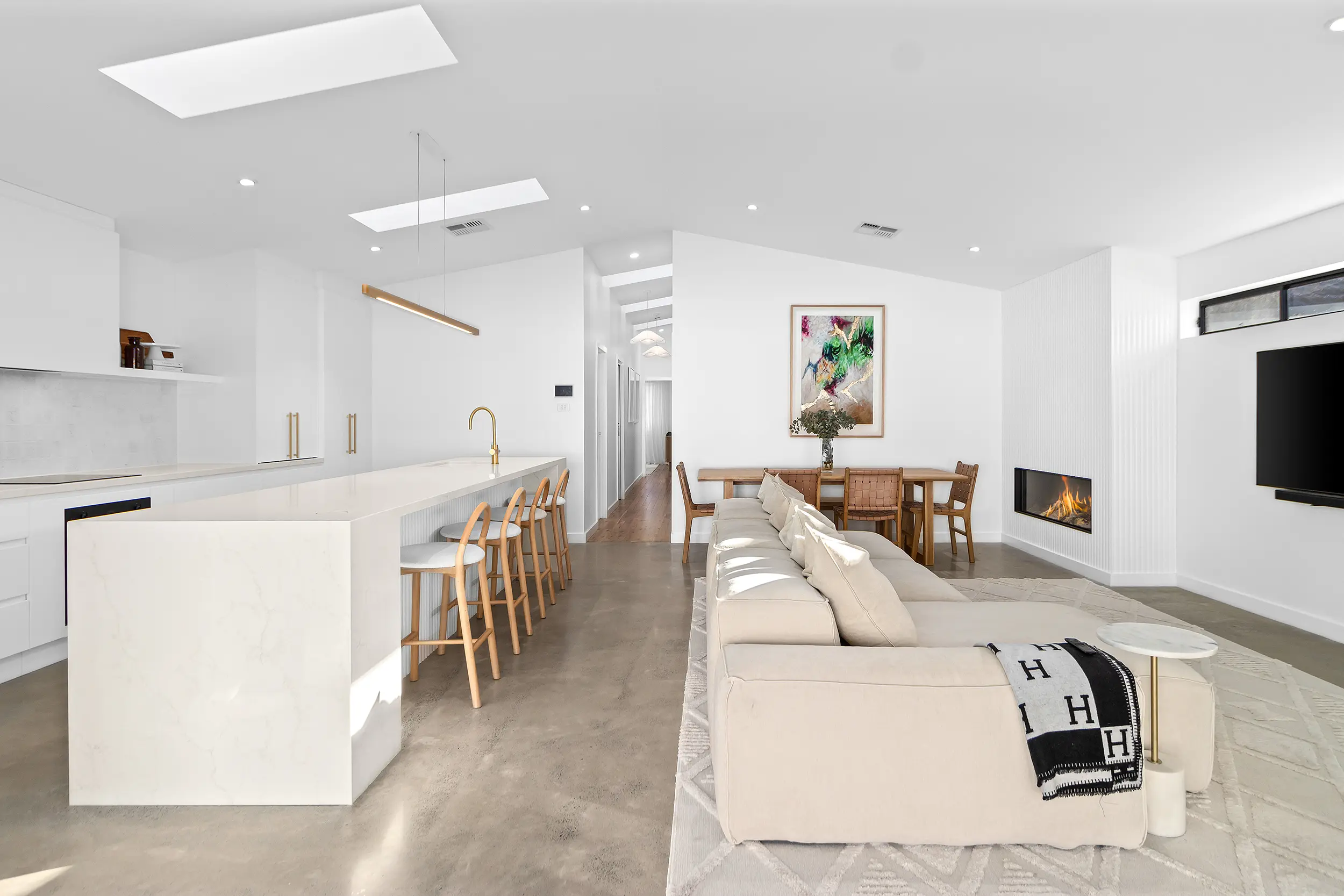
Meanwhile, Cloud Dancer (Pantone's Colour of the Year) marks a return to serenity in the home. This elevated white acts as a natural diffuser, brightening rooms while creating a soothing backdrop that supports rest, clarity and mindful living. It quietens visual noise and helps cultivate calm in busy, multi-purpose spaces.
Beyond these standouts, richer, moodier tones are making a comeback. Saturated maroons, burgundies, jewel tones, olive-grays and smoky blues are replacing stark neutrals with colours that feel grounding, earthy and soft.
One of the boldest trends continuing into 2026 is colour drenching. The approach involves saturating a room in a single hue or tonal family to create a deeply immersive visual experience.
When walls, ceiling and furniture share a tonal language, the room becomes a world of its own. Layering varying strengths, tints and temperatures of the same colour creates a space that feels put together without being over-styled. Deep blue-grays, smoky olive greens and earthy terracottas work particularly well in Australian homes.
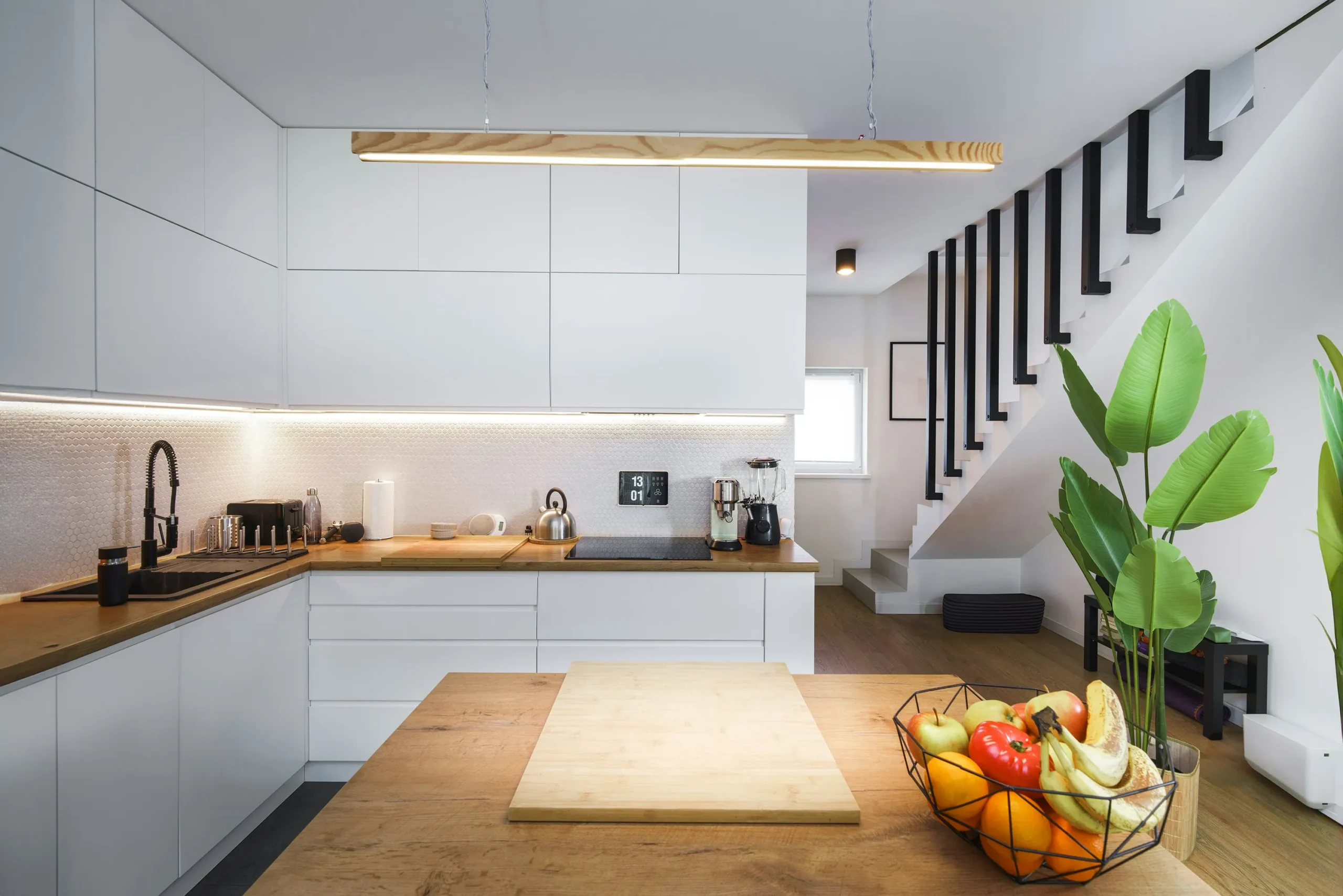
Lighting has moved from a purely functional element to a central design feature. In 2026, expect to see bold, sculptural light fixtures that double as works of art.
Whether it's a dramatic pendant above the dining table, layered ambient lighting in the living room or a futuristic chandelier in the entryway, lighting is being used to create visual impact and set the mood. Modular lighting systems are also gaining traction, comprising individual components that seamlessly interlock into dynamic configurations.
Australian designers are embracing LED technology and smart lighting solutions, blending function with creativity. Custom lighting pieces highlight architectural features and add dramatic flair to even the most understated spaces.
Rooms are getting their tactility back. Texture is becoming the foundation of how spaces are built rather than just an accent. High-pile wool rugs anchor spaces, bouclé accent chairs add warmth, and velvet upholstery brings a new sense of luxury.
The contrast between smooth and nubby, crisp and plush creates visual depth. It's what makes a simple white sofa feel rich when dressed with a mix of linen pillows, wool throws and a velvet cushion. Forget the neutral fabrics of recent years. Mohair, alpaca, cashmere and richly embroidered textiles are the new heroes of 2026.
Rugs are no longer calm, anchoring layers that quietly organise a room. The shift is towards pieces that bring purposeful disruption through saturated colours, offbeat geometry and patterns closer to contemporary art than traditional motifs.
With hybrid work culture firmly established, the home office is no longer an afterthought. Australians are investing in integrated, beautifully designed workspaces that blend seamlessly with the rest of their homes.
This means ergonomic furniture, acoustic panels for better sound quality, clever storage solutions and biophilic elements that support mental wellbeing throughout the workday. Some homeowners are incorporating custom joinery, built-in shelving and dedicated lighting to ensure workspaces look polished and function efficiently.
The goal is to create flexible work zones that feel professional and comfortable without dominating living areas. The days of a makeshift desk in the spare room are well and truly over.
Sustainability continues to evolve beyond basic eco-consciousness into something more refined. In 2026, it's about sustainable luxury, where ethical choices meet high-end aesthetics.
Homes are becoming more considered, driven by long-term thinking rather than fast trends. Well-made furniture designed to last is key. Australian designers are sourcing high-quality pieces made from recycled materials, choosing beautifully crafted decor items and selecting finishes that are both ethical and visually striking.
Bespoke and vintage pieces are rising in popularity, bringing unique character to spaces while reducing the environmental impact of mass production. Transparency matters. Many homeowners are asking suppliers about materials and manufacturing practices, seeking reassurance their choices align with their values.
Australians are moving away from cookie-cutter design and towards interiors that tell personal stories. Highly personal collections are edging out generic styling. Rather than following a single trend, people are mixing vintage finds, handmade decor and meaningful objects collected over time.
Plates picked up on holiday, colourful glass bottles, shells, piles of magazines or a run of fridge magnets carry a specificity that mass-produced items can't match. This shift reflects a broader move towards authenticity. Homeowners want spaces that celebrate craftsmanship and personal history, emphasising emotion, comfort and authenticity over perfection.
The most successful interiors in 2026 feel curated rather than bought in one go. They're spaces that have evolved, reflecting the lives, travels and tastes of the people who live there.
Vintage and antique furniture are no longer just accent pieces. They're becoming the anchors of well-designed rooms, grounding spaces with history, craftsmanship and material integrity.
Rather than filling a home with matching new furniture, designers are mixing standout antique pieces with contemporary elements. A mid-century Australian sideboard, a French provincial dining table or a vintage leather armchair brings instant depth and individuality.
This approach supports sustainability while giving rooms a collected-over-time feel. It also opens opportunities to support local antique dealers and vintage markets thriving across Australian cities.
There's a renewed appreciation for materials in their most authentic state. Hand-worked metals, lime-wash plaster, natural stone and timber with visible grain are all having a moment. These materials carry texture, imperfection and a sense of craftsmanship that mass-produced finishes simply can't replicate.
For Australian homes, this trend fits naturally with our climate and lifestyle. Sandstone, locally sourced timber, rammed earth and terracotta tiles connect interiors to the landscape outside. They also age beautifully, developing patina and character over time rather than looking dated.
The laid-back coastal lifestyle remains a powerful design influence across Australia. Light, breezy interiors with open spaces, natural light and connection to the outdoors continue to resonate, particularly in beachside suburbs and regional areas.
Light-coloured rugs, subtle stripes and organic woven textures complement this aesthetic beautifully. When paired with timber furniture and soft white walls, they create spaces that feel relaxed, unpretentious and effortlessly stylish.
This trend isn't about beachy clichés. It's about capturing the ease and openness of coastal living in a way that feels sophisticated and liveable.
Some trends are losing momentum as 2026 progresses. All-white rooms and sterile white boxes are being replaced by warmer, more textured spaces. Matte black hardware, while still acceptable, is giving way to warmer metals like aged brass and bronze.
Small, busy floral patterns are stepping aside for larger-scale botanical designs or solid colours. Overly coordinated spaces where everything matches perfectly are falling out of favour. The new approach values a bit of creative tension, where different styles and eras sit comfortably together.
Pattern mixing for the sake of it, without underlying unifying elements, is also on its way out. The goal should be creating spaces that feel collected and intentional rather than chaotic.
The thread running through all of these trends is a focus on longevity. Australians are moving away from disposable design and fast furniture, choosing instead to invest in pieces and finishes that will look better with age.
This doesn't mean homes need to feel serious or formal. Quite the opposite. Spaces designed with care and intention often feel more relaxed because they're not chasing the next trend. They're built around what genuinely works for the people living there.
Natural materials age gracefully. Quality pieces withstand years of use. Timeless colour palettes don't feel dated. When you prioritise durability and thoughtful design, your home becomes a place you can grow with rather than constantly renovate.
Whether you're planning a full renovation, refreshing a single room or simply looking for ways to update your space, 2026 is the year to slow down and choose thoughtfully.
Focus on natural materials, embrace organic shapes, invest in statement lighting and don't be afraid to inject colour and personality. Most importantly, create a home that feels like yours, one that supports your lifestyle and tells your story.
The trends are pointing towards interiors with depth, warmth and staying power. In a world that often moves too fast, that feels like exactly the right direction.